Buying Bank Foreclosures, Auctions, Short Sales and Bankruptcy Sales
A. Buying a Bank Owned
- Hire a Realtor to represent you with experience working bank owned property and have them supply a list of what is currently for sale. Any property that has been acquired through foreclosure is called an REO which means “real estate owned”. Due to the bank not receiving the minimum bid at the foreclosure auction they now are marketing it to the public. Since they did not get their minimum bid the bank may actually price the property for less just to clear out their inventory.
- Bank owned properties have limited information and investigating the property thoroughly prior to an offer is even more crucial than a privately owned home.
- Review the foreclosure deed to determine what the bank bought the property back for.
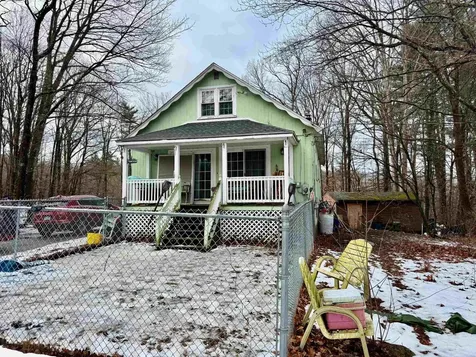
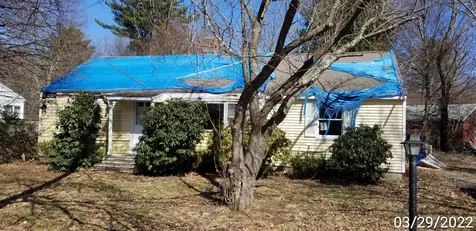
- Have a contractor review the property with you to determine the condition of the systems of the property. This step can help save valuable time as many foreclosed properties may have unfinished areas or have gone through a heating season without fuel or winterization. Some properties have been found to have had any valuable contents removed which can actually include copper piping, cabinets, light fixtures etc.
- Review any addendums and disclosures provided by the bank owned lender. These addendums are usually provided on line and should accompany you at your showing.
- Have a preapproval letter accompany your offer. Be prepared to close on or before the agreed to closing date in case there are penalties charged by the bank per day for every day you delay.
- Have your agent give you the listing history and check the street history in case more than one company has listed the property. Try to make offers on properties that have been for sale for over 45days as they will be more negotiable. If a property is obviously priced aggressively then you should get a reasonable offer in quickly prior to other bids.
- The bank may have its own purchase and sales agreement and addendums that they will require you to use and sign. Make sure you understand them and ask for legal advice if there is any content that is not clear.
- Expect to have to wait for a response. Remember you are working with a business that operates on business days and may take a week or two to actually respond.
- Any banks may reject your offer however as more time passes and no other offers are accepted you could resubmit your contract for another review.
- Through the course of your home inspection you may have to pay more if you are unable to locate a well or septic if private since there is no Owner to ask and sometimes no documents to locate them. Additional fees may be charged just to find the systems. You may have to request the lender dewinterizes the property and systems are turned on in order to conduct your inspections.
- Some financing programs may not lend on a bank owned property others will require a copy of the home inspection.
B. Buying at Auction
- Sometimes on the listing info you will see auction dates. These auctions may be bank owned or privately held.
- The bank foreclosure auction unless an absolute auction will have a minimum bid and will hope to sell at or above it.
- Bank auctioned properties will not deliver title to you free and clear of encumbrances. You will assume responsibility of eviction of tenants, outstanding liens not eliminated through the foreclosure process. Property taxes, water and sewer charges will be your responsibility as well.
- Read the bid agreement provided at the time of auction. You will be required to have a cashier’s check in the amount shown on the publication notice.
- Be prepared to close within 45 to 60 days.
- Try to view the property prior to auction and determine the previous history.
- As with all auctions determine your top bid price based on current market value.
C. Buying A Short Sale
- A short sale is when the Seller is negotiating with their lender to accept a discounted payoff in order to avoid foreclosure. The listed price is typically lower then what the Seller owes on the property. The Seller may also be in default (stopped making mortgage payments) and should have received a letter from their mortgagee as to their current status. Typically the Seller has to provide financial information and explain their hardship and inability to continue to make mortgage payments.
- The Seller is working to avoid foreclosure and is motivated to have your offer accepted, although the Seller may counter your offer if they think the bank may reject it and waste the Sellers marketing time. The short sale approval can take up to 90days, so patience is required!
- The process usually requires that you have your title company prepare a HUD statement so the Seller’s lender can confirm their closing costs based on your closing date. Be sure to have a closing date that is at least 90 days out. You can also give a time frame for when the Sellers lender has to respond by in case your situation changes as you can always extend your time frame for acceptance bearing in mind you may not hear a response for 90 days.
- The Seller should sign your offer and submit to the litigation dept which will assign a negotiator. The negotiator may order an appraisal or Broker Price Opinion to make sure the property is not selling way below current market value.
- If the Seller still occupies the property they can supply information as to the site and the utilities may still be on. Most financing options will consider the short sale the same as other resale’s although you have to watch the rate changes over such a long timeframe for acceptance. If the property is vacant you should request the Sellers’ lender secure the property and maintain its condition.
- Ask the listing agent whether there is a second mortgage that also needs to be notified and if the short sale process has been started with the second mortgage as well as the first. Usually the first will determine what the second will receive should the first mortgage accept the contract.
D. Buying a Bankruptcy Sale
- The Seller is usually represented by an Attorney assigned by the Court the task of liquidating the assets of the individual who has filled for Chapter 7 bankruptcy. Property is listed to the public for sale.
- This legal representative acts as the Seller. Buyer and Seller execute a contract for sale. The standard purchase and sale form applies.
- This executed contract is presented to the Court by the lawyer during a public hearing at Federal Court. Anyone can attend this hearing and anyone can overbid the offer. If anyone from the general public wants to also acquire the property their bid must be at least $5000 higher than your offer. If someone from the general public puts a bid in, you have the right to counter their bid. The Judge allows this bidding to occur in the courtroom.
- If there are no other bids, and the Lawyer’s testimony satisfies the Judge, the Judge will authorize the sale.
- Once the Judge authorizes the sale, there is a 14 day period after which the sale is finalized. This 14-day stay can be waived if the executed contract notes a closing date prior to this stay. Waiving of this 14-day period is usually requested by the Lawyer in the paperwork to the Judge prior to the court hearing.
- After the hearing, the Lawyer and the Buyer may meet to coordinate a date and time to close the transaction.

Copyright 2011 Northern New England Real Estate Network, Inc. All rights reserved. This information is deemed reliable but not guaranteed. The data relating to real estate for sale on this web site comes in part from the IDX Program of NNEREN. Subject to errors, omissions, prior sale, change or withdrawal without notice. This web site is updated daily.
Pelletier Realty Group would be happy to help answer any questions you may have and set up a showing time to see the property. We have an agent standing by ready to answer your questions 7 days a week: M-F 9:00 -6, Sat 9-5 and Sun 9-4, via phone (603) 529-2020 ext 208, or submit your question above. An agent will respond promptly during our office hours. Thank you for your inquiry and business. Tami Pelletier, Principal Broker, Pelletier Realty Group.